Building a lifelong bond with diverse animal companions


Welcoming a cat into your home: tips for a successful adoption
Dog breeds: how to find the right companion for you
Selecting a puppy involves finding a companion whose breed traits, stamina, and needs match specific lifestyles. Some sporting dogs require vigorous exercise, while companion breeds prefer calm environments and indoor rest.

Chihuahua
Small but spirited, the Chihuahua is a lively, loyal dog that bonds deeply with adult owners.

German Shepherd
Intelligent and versatile, the German Shepherd excels in agility, protection, and obedience with remarkable focus.

Siberian husky
Energetic and pack-oriented, the Siberian Husky loves mushing and needs an active handler to manage its dynamism.
Selecting cage birds or poultry for your environment
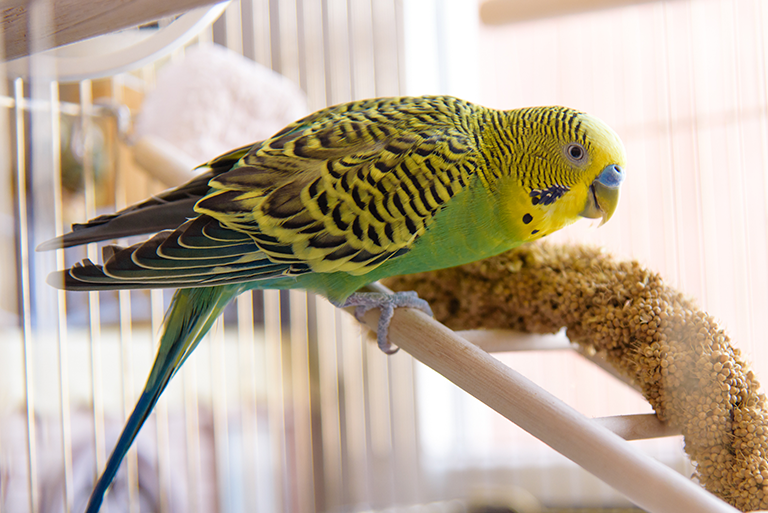
Budgerigars
Sociable and vocal, budgies enjoy mirror interactions and require flight cages for stimulation.
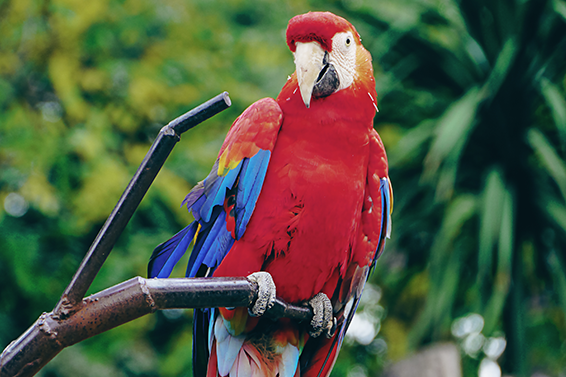
Parrots
Intelligent mimics, parrots demand cognitive enrichment and lifelong commitment.
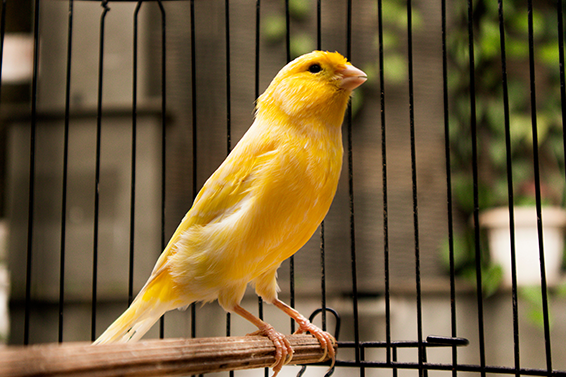
Canaries
Known for melodious tunes, canaries are solitary and fit compact cages.
Proactive veterinary care for longevity
Preventive medicine anchors veterinary care, intercepting pathologies before they escalate into conditions requiring surgery or costly medical interventions.

Routine vaccination schedules
Core injections protect against parvovirus and rabies, safeguarding public health.
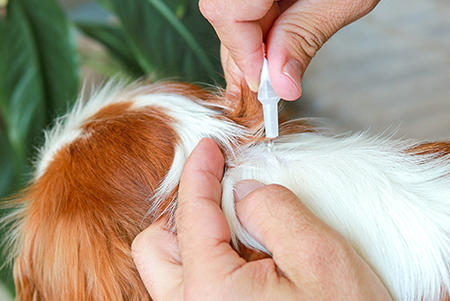
Parasite prevention tactics
Seasonal treatments block fleas, mites, and intestinal worms from infesting hosts.
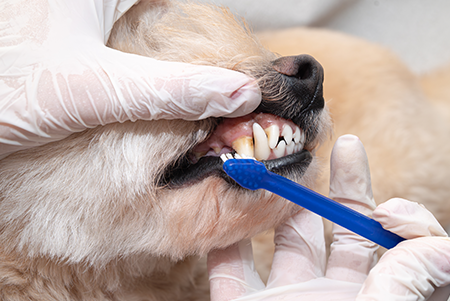
Dental hygiene practices
Enzymatic brushing prevents tartar buildup and systemic bacterial infections.
Selecting premium nutrition for your pets
Providing optimal nutrition involves considering species, metabolism, and health. Some grain-free foods aid digestion, strengthen immunity, or support mobility, while toxic ingredients must be avoided to prevent obesity or metabolic disorders.
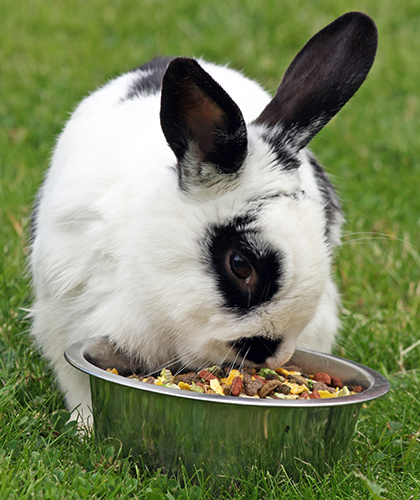
Adapting rations to life stages
Puppies have specific caloric needs versus seniors. A protein-rich diet contributes to muscle mass, growth, and coat quality.
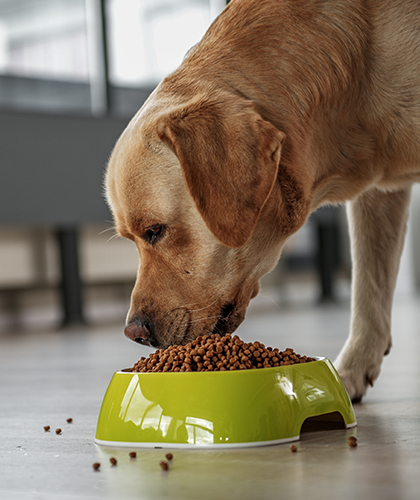
Compare dry kibble, pâté, and raw feeding
Industrial food is balanced, but some choose BARF or homemade diets. Supplementation ensures the pet receives essential vitamins.
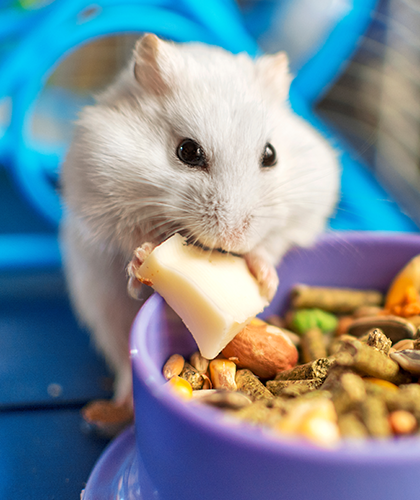
Determining portions and feeding schedules
Providing portions adapted to sterilized animals prevents weight gain. Using automatic dispensers maintains a regular feeding routine.
Practical methods for obedience and behavioral well-being
Essential equipment for housing and entertainment
Suitable gear keeps pets stimulated. Combine cat trees, hamster cages, and grooming brushes for a safe, enriching environment.
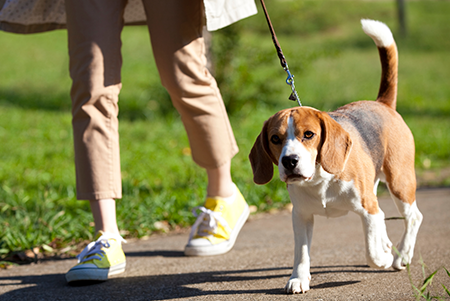
Collar and leash
Outdoor excursions become safe with a reflective collar and retractable leash, maintaining control over the pet.
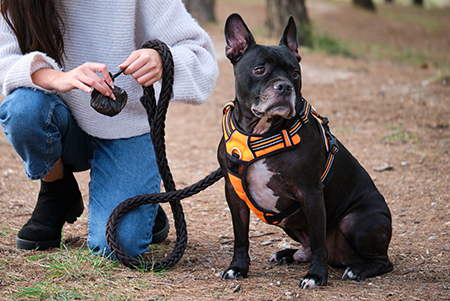
Harness
Offering ergonomic support, a canicross harness distributes traction, protecting the trachea of active or sensitive dogs.
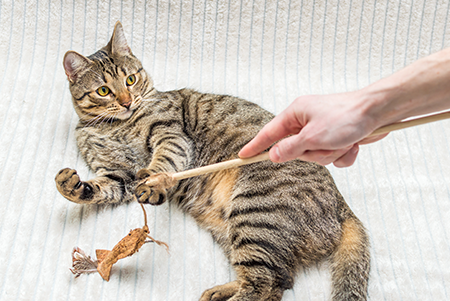
Toys
Puzzles encourage physical and mental agility while strengthening the collaborative bond with owners.